

Paris Tips for First-Time Visitors: Everything You Need to Know

Some of the links in this post are affiliate links. If you book or buy through them I may earn a small commission, at no extra cost to you. Read our full disclosure.
I’ve visited Paris several times now, and the difference between my first trip and the trips I’ve taken since has been significant — almost entirely because I knew what I was doing the second, third and fourth time around.
So, if you’re planning your first visit to Paris, here’s everything I wish I’d had before I went.
When to Visit Paris
Spring and early autumn is the best time to visit Paris. April through June gives you decent weather without the full force of summer crowds, and September to October is arguably even better — the tourist peak has passed and prices tend to drop.
July and August are busy in a way that can genuinely affect your trip. Queues at major attractions are significantly longer, accommodation is more expensive. During August especially many Parisians leave the city for their own holidays, so some local restaurants and smaller shops will be closed.
If you have any flexibility at all, I’d always nudge people towards September or October for a first visit.
How to Get to Paris from the UK
If you’re travelling from in and around London then the best way to get to Paris is on the Eurostar. You board at London St Pancras and arrive directly at Gare du Nord station in central Paris roughly 2.5 hours later.
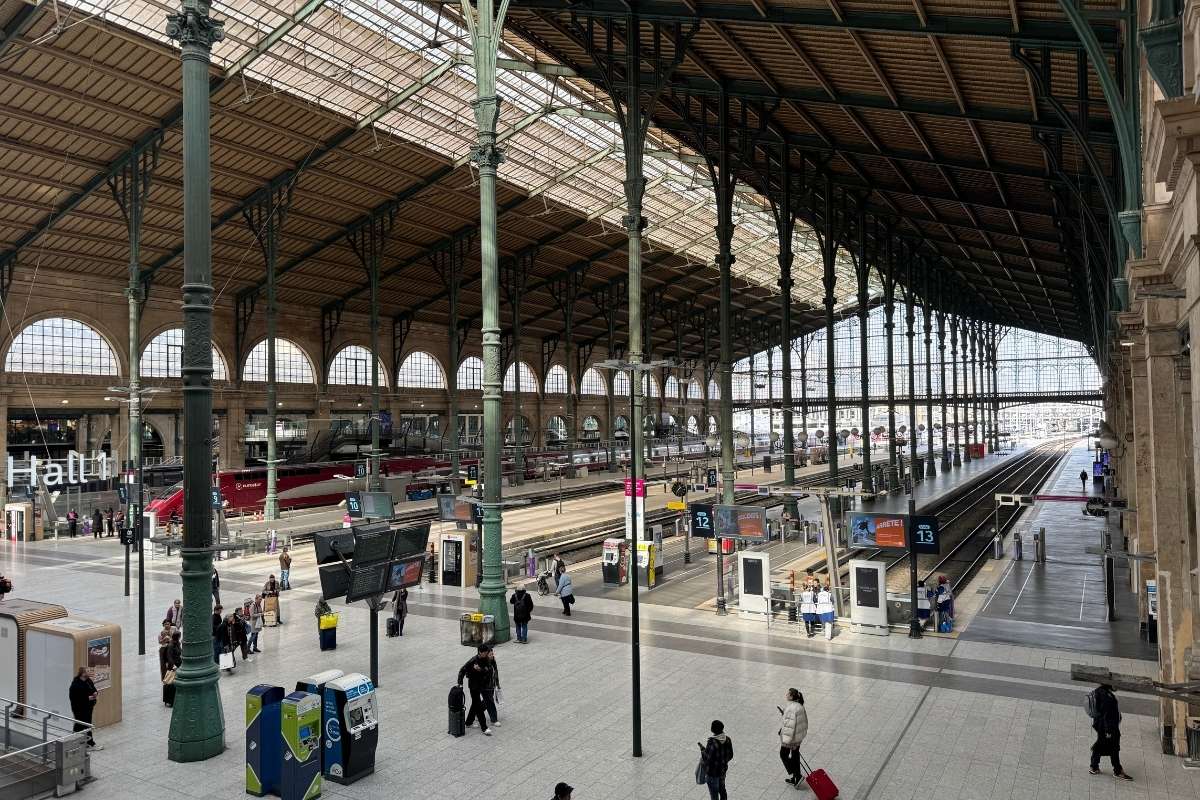
You clear UK passport control and French border security at St Pancras before you board, not on arrival. So you need to arrive at the station earlier than you might expect.
If you’re travelling from outside of London then flying is likely the easier option. Paris is served by three airports:
- Beauvais (BVA): Used by budget airlines like Ryanair, but around 85km from central Paris, so be sure to factor in the extra transfer time and cost.
- Charles de Gaulle (CDG): The main airport where most UK flights land, around 30 minutes from the city centre by train.
- Orly (ORY): Closer to the city and smaller than CDG, which makes it a less overwhelming arrival experience.
Where to Stay in Paris
Staying in the heart of the city on your first trip to Paris is worth prioritising. Even if it means spending a little more on your accommodation.
I stay centrally on all my trips to Paris and while the accommodation is nothing special, the location pays for itself. You do more, and see more when you’re already there.
Plus, staying further out to save money on accommodation isn’t always the saving it appears to be once you factor in Metro costs and the time you spend travelling.
Getting Around Paris
The best way to get around Paris is to walk. The second best way to get around Paris is on the metro.
On my first visit to Paris I would take the Metro for journeys that were a 15 – 20 minute walk and I missed a lot of the city’s hidden gems in the process.
For walks longer than 20 minutes, the Metro is the best option. It’s simple, easy to use and affordable. I download the Île-de-France Mobilités app onto my phone and buy tickets when I need to, but you can also buy a carnet of ten tickets or even get a weekly pass unlimited travel across zones 1 and 2.
Taxis and Uber are both available in Paris but they are expensive. Personally, I’d keep them for late nights or longer journeys rather than using them as your default.
Staying Connected
I use my phone for almost everything in Paris:
- Google Maps
- Île-de-France Mobilités (Metro tickets)
- Booking Confirmation Emails
- Translating Menus
- Posting Photos to Instagram
Which is why I always get an eSIM with YeSim. You download it before you leave, activate it when you land, and you have data working from the moment you enter the country. It’s quick, easy and affordable.
What to See
There’s a lot to see on a first visit to Paris. However, in the effort to see everything, you can sometimes end up seeing nothing. Falling into the trap of timetabling every second of your visit rather than immersing yourself in what the city has to offer.
To prevent this I suggest focusing on a few core attractions rather than trying to tick off as many sights as possible. Some of my favourites include:
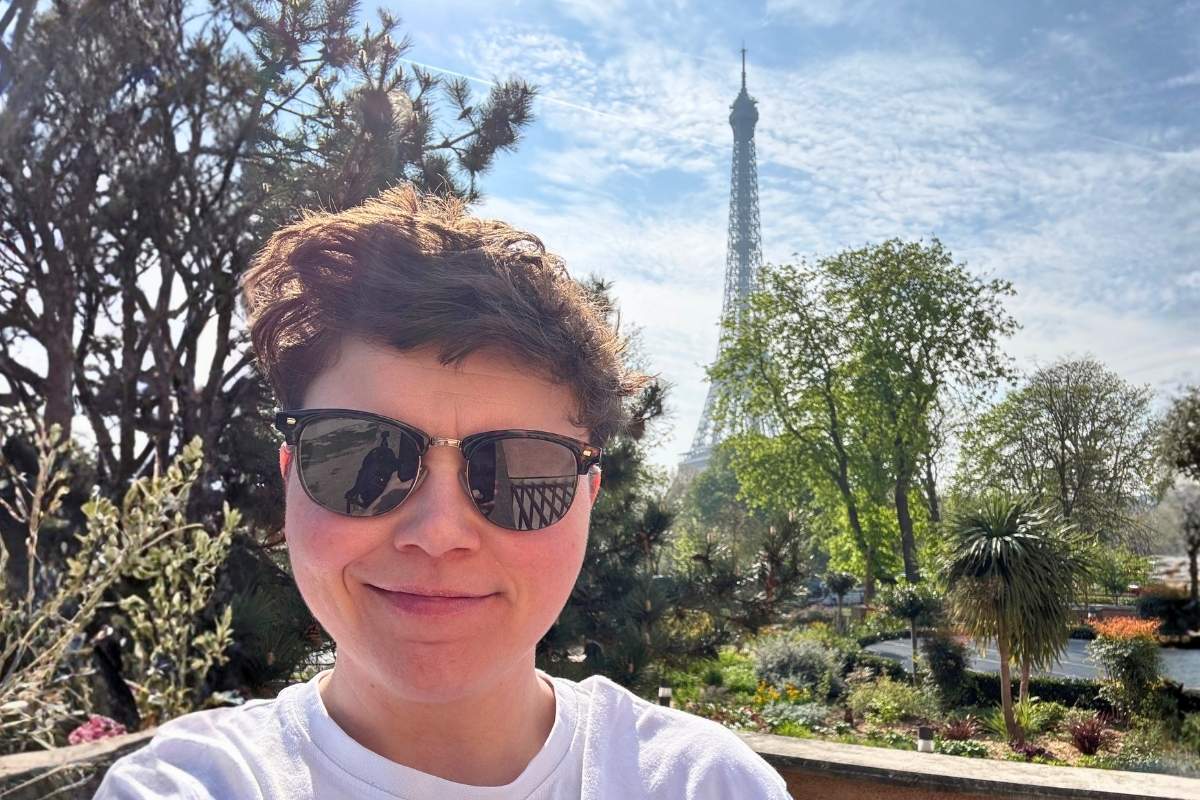
The Eiffel Tower: The view of the Eiffel Tower is often better than the view from it. So instead of going inside I suggest going to The Esplanade du Trocadéro, just across the Seine for fantastic photos.
The Louvre: The most famous art museum in the world – a must visit while in Paris. However, you need to book in advance as there are only a limited number of timed entrance tickets available each day.
Musée d’Orsay: If you only have time for one museum on your first visit, I’d actually recommend this one over the Louvre. It’s smaller, less overwhelming, but the collection is still extraordinary. It’s closed on Mondays, so keep that in mind when planning your days.
Rue Cler: This pedestrianised market street near the Champ de Mars features local food shops and cafés. It’s the kind of street that makes you feel like you’ve found a part of Paris most tourists miss.
Montmartre and Sacré-Cœur: The climb is real but the view from the top is one of the better free panoramas in the city, and the streets around the basilica have a completely different feel to the rest of Paris — narrower, older, far less polished.
Around Sacré-Cœur you may be approached by someone with a clipboard asking you to sign a petition, or someone who tries to tie a bracelet on your wrist. Both are scams. Just keep walking.
Eating in Paris
Food in Paris is very good. But there are a few things worth knowing before you sit down somewhere and find yourself confused.
French restaurants typically run two sittings:
- Lunch from around noon to 2pm
- Dinner from around 7pm to 10pm
Turn up at 3pm expecting a full meal and most traditional restaurants will be closed. Brasseries are different and tend to serve food continuously throughout the day, so they’re a useful fallback if your schedule doesn’t fit around the usual mealtimes.
For keeping costs down, look for the plat du jour at lunchtime — a fixed-price daily menu offering two or three courses for significantly less than you’d pay in the evening. It’s the best way to eat well without the bill becoming a problem.
Eating next to the major tourist sights costs significantly more than eating one or two streets back. The restaurants directly surrounding the Eiffel Tower and the Louvre are almost universally overpriced for what they are. Walk a few minutes away and both the quality and the value improve considerably.

Let’s Chat!
Thanks for stopping by! Do you have experience with this trip or want to share some of your own tips? We’d love to hear about it! Comment below and let’s chat!